Week 1
Whatever Generative AI is Doing Now
Intro
Please introduce yourself:
• Your preferred name
• Your year (i.e. if you’re doing thesis)
• What media you’re interested in exploring
• What software/programming language you use the most
About Me
- Graphic Designer
- Artist
- Filmmaker
- Product Manager
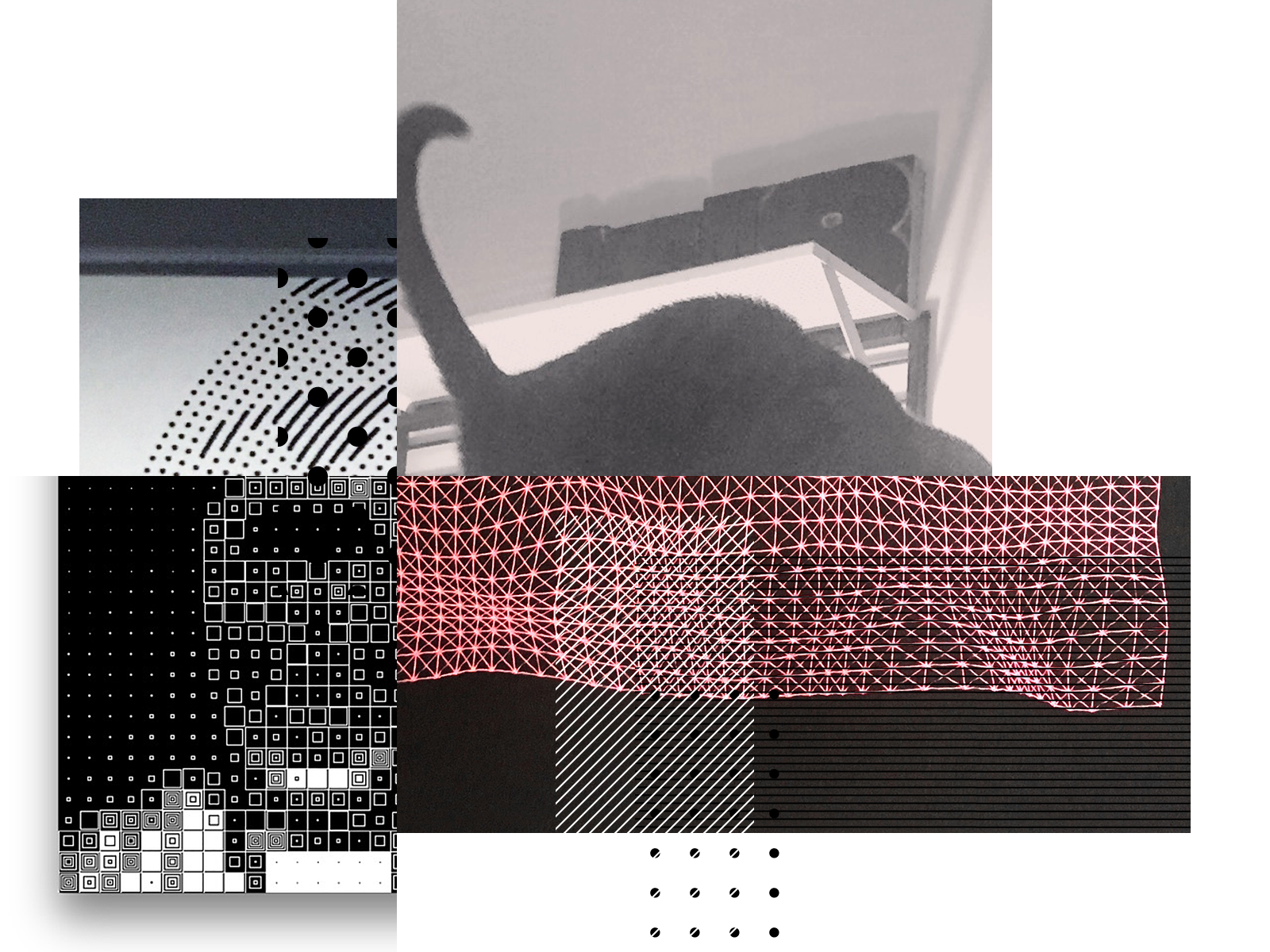
2015
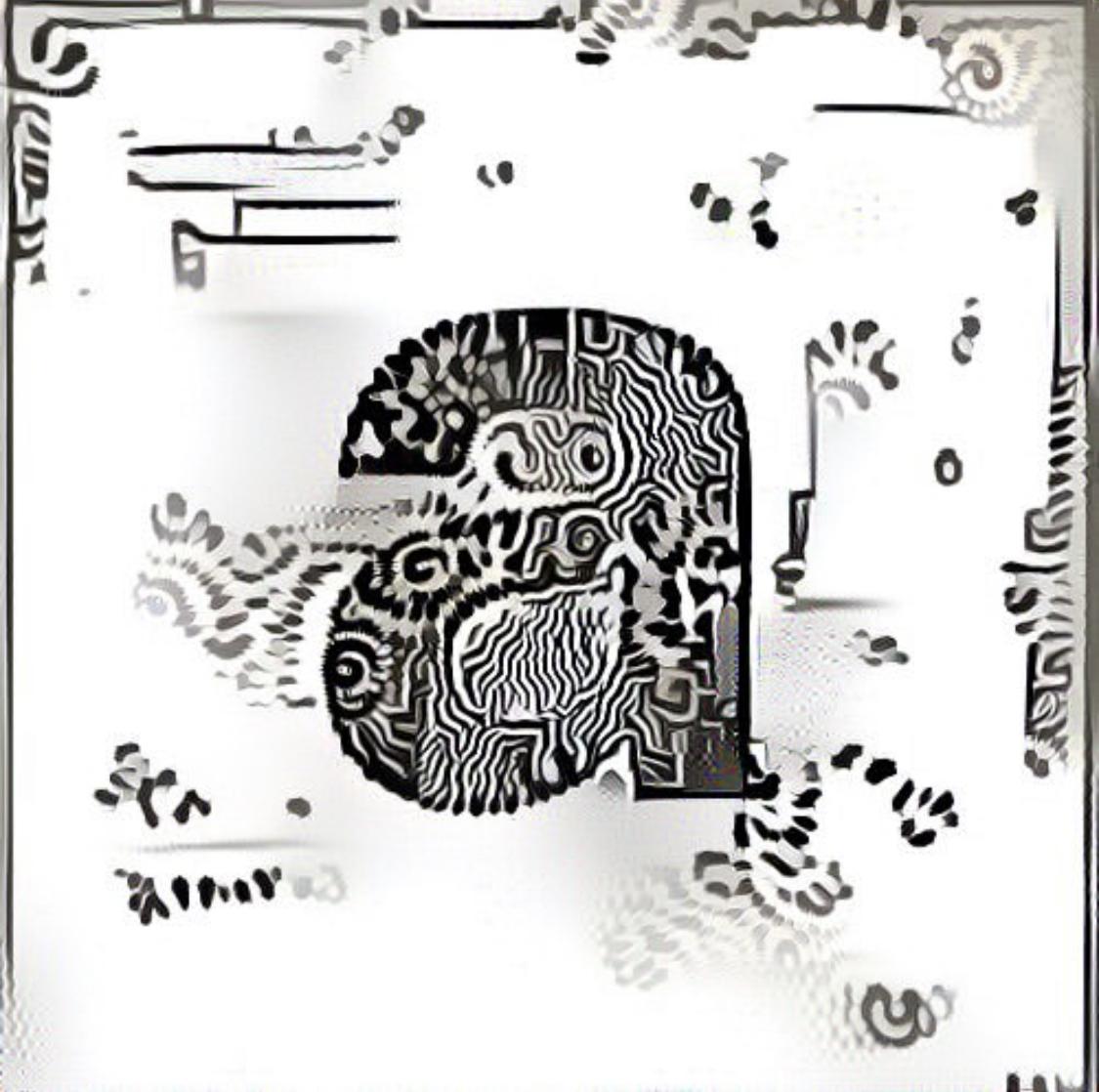
Style Transfer Typography



Editorial, 2019–2022
Commissioned Illustration
Editorial
Commercial Type Food Issue
2021–2025
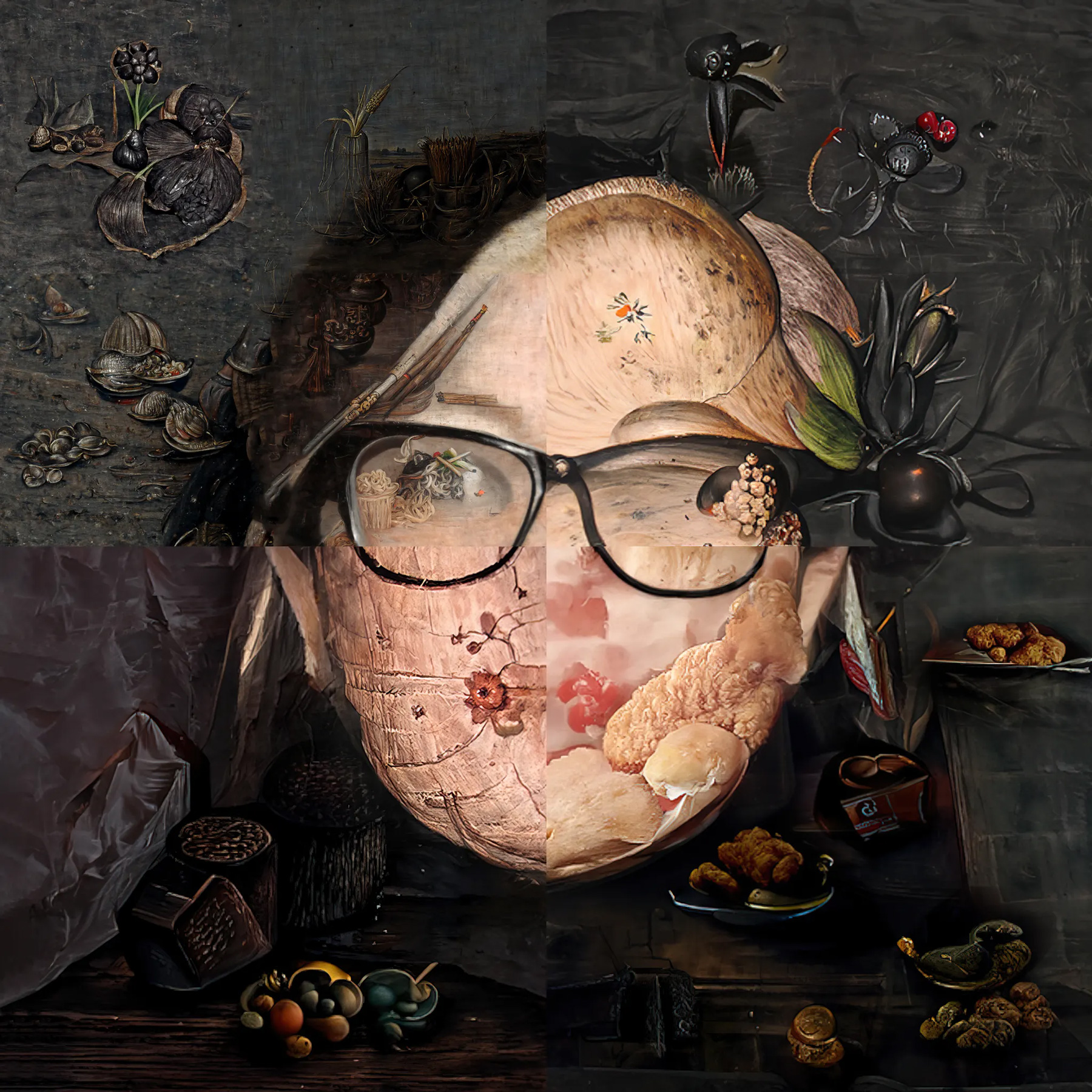
Selfie Song
A millennial’s interpretation of Walt Whitman’s Song of Myself. Multiple versions across evolving AI techniques.
2022
Scream Scenes
31 experimental horror films in 31 days. Each film uses a different algorithmic filmmaking technique.
2025
Phantoms of Endless Day
Lead Creative Technologist for Ho Tzu Nyen’s four-channel museum installation at LUMA Arles. Algorithmic editing, custom AI models, and 10+ hours of generated footage.
Phantoms Process
Used a number of LLM processes to generate sequences and algorithms.

Phantoms Process
These were one off LLM-to-code processes, mostly helping manage the project, rather than create it.

Custom Software
Extending much of my generative filmmaking processes into an application for courses and my own work.

Titles
- Custom Artist Models
- Generative Images and Videos
- Artist Attribution
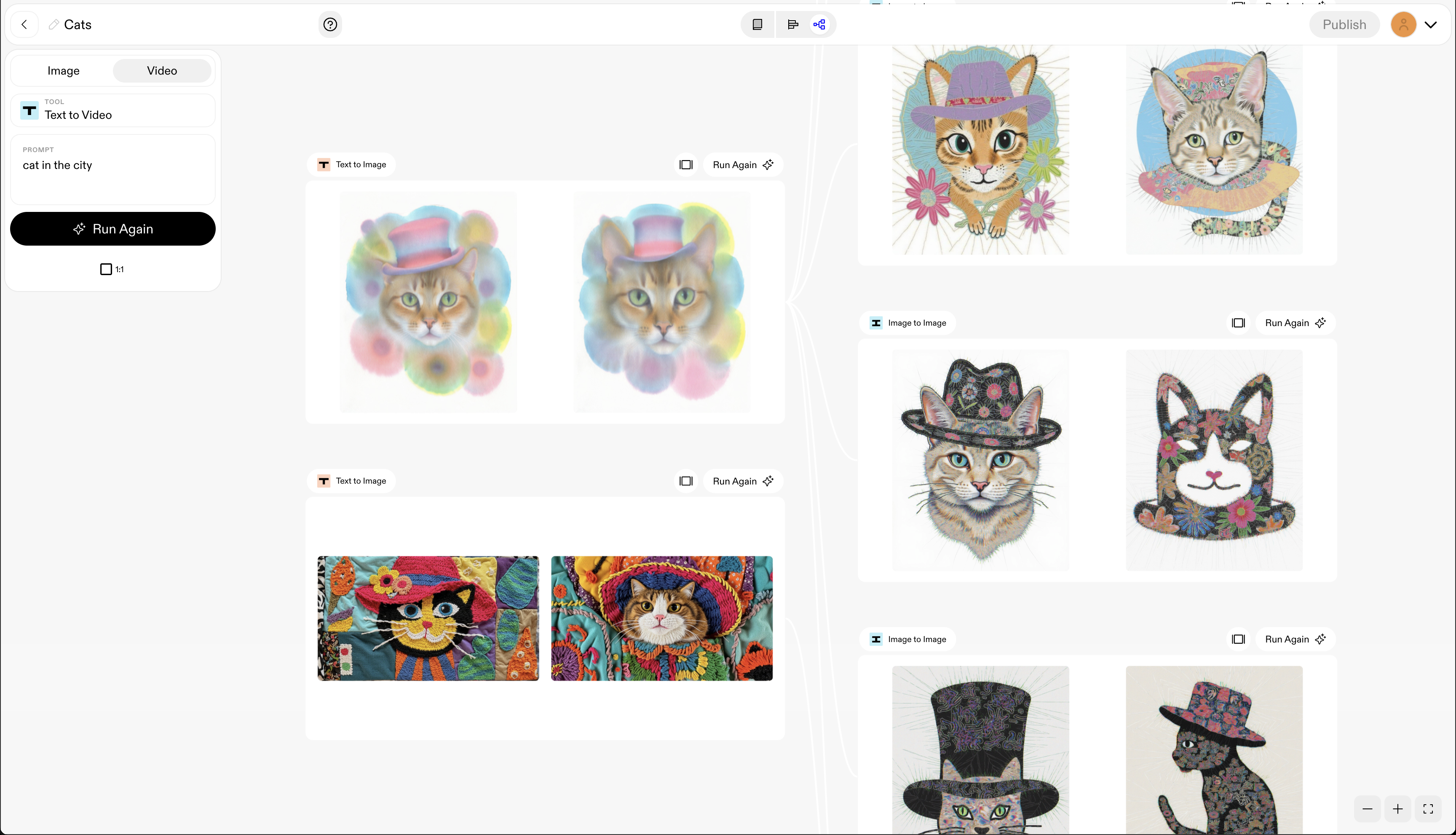
Custom Models on Titles



OBJECTIVE
Learn Claude Code :)
OBJEcTIVE
Understand how LLMs work, and how to get the best out of them for various tasks (research, writing, coding, and more).
OBJECTIVE
Learn to use the terminal!
You might hate it at first, and you may never love it, but you will learn to accept it.
OBJECTIVE
Learn to extend Claude Code through MCPs, skills, and other tool usage.
OBJECTIVE
Learn how to use Claude Code to manage existing tools, extend them or build your own systems to support your art practice.
OBJECTIVE
Use the eval loop in Claude Code to build working software with confidence.
OBJECTIVE
Learn when to use agents in your own research and software. Then learn how to leverage agents in your own software.
SCHEDULE
Week 1 Install and Claude Basics
Week 2 Research and Writing with Claude
Week 3 Skills, MCPs, and extending open source projects
Week 4 Build your own software part 1
Week 5 Build your own software part 2
Week 6 Build your own software part 3
Week 7 Demo Day
CLAUDE CODE
In the past ~3 months, nearly the entire technology process that supports my artistic practice has changed.
I think yours will too.
CLAUDE CODE
Regardless of your current technical skills, you soon will have the ability to customize your current software, or build completely custom software.
CLAUDE CODE
For many creative technology projects, software/creative development was the most costly/time intensive part of the project. The cost of that will now approach zero.
ClAUDE CODE
That means you can now create more projects, faster.
ClAUDE CODE
But: if your plan after ITP was to become a creative technologist for other artists, you now have a lot of competition :(
CLAUDE CODE
This means ideas are even more important. And your ability to connect ideas to technical processes is still a key skill.
But you might not be writing the code now. Rather you will plan the code and an LLM will produce it.
CLAUDE CODE
Once you start using Claude Code, you’ll begin to think about turning everything you do into custom software.
CLAUDE CODE
In fact, these slides are made with a Claude Code built application :)
INSTALL CLAUDE CODE
First, let’s get you your Claude subscription.
Thank Anthropic for two months of 5× Pro :)
INSTALL CLAUDe CODE
Before we install Claude Code, we need to get Terminal running.
Install Claude code
There are many Terminal apps, but I recommend:
• Built in Terminal
• Warp
• GhosTTY
• you can use an IDE too, I guess
install claude code
Claude Code installation instructions here
LLMS & coding Systems
“LLMs are just next token predictors”
If that’s true, why are they working so well now?
LLMS & CLAUDE CODE
I’d argue—bigger than any model change—the biggest improvement in LLMs has been the development of “the harness”.
LLMS & CLAUDE CODE
“The harness” is a way to describe everything around the LLM itself.
LLMS & CLAUDE CODE
1. Context/Memory
2. Tool Use
3. Execution Loop
4. Evaluation
5. State Management
LLMS & CLAUDE CODE
Claude Code is not the only “coding LLM”:
1. OpenAI Codex
2. Claude Code
3. Gemini-CLI
LLMS & CLAUDE CODE
There are also a ton of IDEs that use either their own models or popular LLMs.
1. Cursor
2. Github Copilot
3. Windsurf
4. Replit
5. Antigravity (Google)
6. Opencode
CLAUDE
Let’s start using Claude.
ClAUDE
/model
CLAUDE MODELS
Opus: This is the one you should probably use
Sonnet: Sometimes ok to use
Haiku: NEVER use this for coding
CLAUDE MODELS
The bigger the model:
• The better it is at solving tasks
• The slower they are
• The more expensive they are (tokens)
CLAUDE CODE
/effort is another variable for models. This limits how many tokens a model uses per response. “high” gives the model a wide token range, “low” is much more limited.
CLAUDE CODE
/context
CLAUDE CODE
Context is an LLM’s “memory.” It contains read content for specific files (more on this later) and your entire chat session history. For most Claude models, this is 200,000 tokens, or approximately 150,000 words.
CLAUDE CODE
When your context reaches the maximum, it undergoes “compaction.” This reduces the memory of the model.
CLAUDE cODE
Because of this, managing context is one of the most important things to do while LLM coding. Much of this class will be about optimizing context.
CLAUDE CODE
/clear resets your context. This is very useful, but must be used at the right moments.
CLAUDE CODE
/usage will show you how much you have used Claude in your 5-hour session limits and your weekly session limits
CLAUDE CODE
I doubt you will hit your 5-hour session limit or weekly session limit for most of this class, but if you get really into it and get agentic you might. You can pay for additional tokens in sessions, but that won’t be covered by Anthropic.
CLAUDE CODE
/resume resumes a previous chat session if you have quit CC and restarted.
claude code
/remote-control allows you to run your desktop session from your phone :)
CLAUDE CODE
/export exports your session to a file. I don’t use this often, but we might for today’s homework
Homework #1
Talk with Claude and have it develop a lesson plan for a topic you want to learn about. Focus on iteration and discussion with Claude. Publish your learnings from this process.
HomeWORK #2
Clone a repo from Github. Use Claude to understand how the repo works, and what you can do with it.